
Blog
Unveil the Secrets of Bullet Prices: Find Local Suppliers

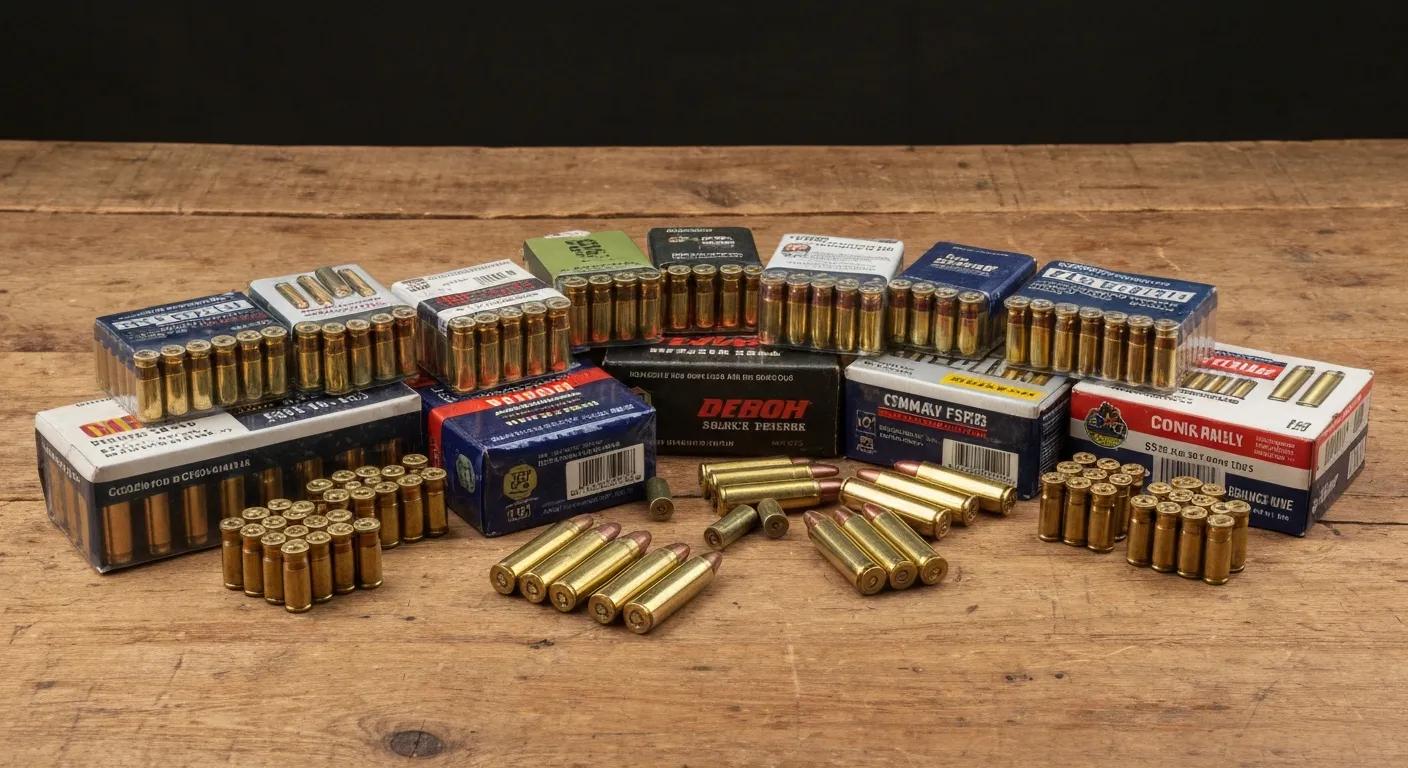
Ammunition Pricing Secrets: How to Find the Best Ammunition Prices Online and Bulk Ammo Deals Nearby with Last Shot
Knowing how ammunition prices are built — and the simple math that shows true unit cost — is the fastest way to buy smarter. This guide breaks down what moves ammo prices today, how to calculate price per round correctly, where to look for low-cost ammo both nearby and online, and practical tactics to stretch your shooting budget. We cover raw materials and manufacturing inputs, caliber demand, shipping and hazmat fees, and seasonal sale windows so you can compare offers with confidence. You’ll also get a clear local-versus-online map — dealers, gun shows, private sales, and e-commerce — and see how combining local pickup with online bulk buys often produces the lowest effective cost per round. Finally, we compare price behavior across common ammo types and give concrete examples so you can understand the principles and spot real value.
What Factors Influence Ammunition Pricing and How Can You Calculate Price Per Round?
To separate headline prices from actual cost, focus on price per round — that’s the reliable unit of comparison. Costs stack up from raw materials and manufacturing complexity to packaging size, regulatory and compliance burdens, and logistics like hazmat handling and shipping. Calculating price per round is simple: add all costs (including shipping and and fees) and divide by the number of rounds. That single number tells you which package or seller really saves you money. Below we outline the main 2025 market forces and then walk through the per-round math with clear examples you can apply to real listings.
Which Key Elements Affect Ammo Prices in 2025?
In 2025, supply stabilization, factory capacity, and caliber-specific demand remain the main price drivers. When manufacturers ramp up production for high-demand rounds like 9mm and 5.56, unit costs typically fall; conversely, sudden demand spikes or component shortages push prices up. Seasonal promotions create predictable discount windows, while shipping and hazmat rules raise costs for remote buyers more than for local shoppers. Knowing these dynamics helps you decide whether to wait for a sale or buy immediately.
Factors Affecting Firearms and Ammunition Supply During the COVID-19 Pandemic
ABSTRACT: Pfeffer, Alexander. Colorado Technical University. ProQuest Dissertations & Theses, 2023. Document ID: 30568796.
An Exploratory Study of the Factors Impacting the Supply and Demand of Firearms and Ammunition During COVID-19 America, 2023
How Do You Calculate Price Per Round to Maximize Savings?
Price per round = total purchase cost ÷ number of rounds. Always include shipping, handling, and any hazmat fees in the total so your unit cost is accurate. When comparing offers, match bullet type (FMJ vs HP), grain, and intended use — quality differences can justify higher prices for defense or precision work. The table below illustrates how package size and fees influence the per-round metric you should use when choosing between options.
This table uses hypothetical examples to illustrate the calculation method and should be used for instructional purposes.
| Caliber & Load | Packaging Qty | Impact on Per-Round Cost |
|---|---|---|
| 9mm 115gr FMJ | Larger quantities | Generally lower per-round cost |
| 5.56/.223 FMJ | Bulk quantities | Often reduces unit cost significantly |
| .22 LR (Std) | High volume packs | Typically offers the lowest per-round cost |
The sample above shows how larger packages often lower per-round cost — but only when you include shipping and fees do you see the true savings.
Where Can You Buy Ammunition Nearby and Online for the Cheapest Prices?
Finding the cheapest ammo means balancing convenience, trust, and unit cost — a low sticker price can be costly after hidden fees or unreliable stock. Local gun shops and range pro-shops give you immediate pickup and the ability to inspect packaging; online retailers offer wider inventories, volume pricing, and web-only promotions that frequently lower per-round costs. Gun shows and private sales sometimes yield bargains but require extra caution. The smartest approach is hybrid: use local sources for immediate needs and online sellers for planned bulk buys where shipping math favors larger orders.
How to Find Local Gun Ammo Suppliers and Bulk Ammo Deals Near You?
Search with focused queries, confirm listing details, and call ahead to verify stock. Good search phrases combine the exact caliber with words like “bulk,” “box,” or “case” and add “in stock” to filter outdated listings. Check Google Business Profiles and recent reviews for trust signals before driving to a store. When you call, ask about packaging size, whether prices include local tax, and any hold or layaway options so there are no surprises. The checklist below keeps local inquiries efficient and comparable.
Practical checklist for local inquiries:
- Ask for exact packaging size and unit price so you can calculate price per round.
- Confirm whether listed prices include taxes or additional in-store fees.
- Request reserve or hold options if you plan to pick up the purchase later.
Following this checklist saves time and clarifies the total cost before you go.
What Are the Advantages of Buying Ammunition Online from Last Shot?
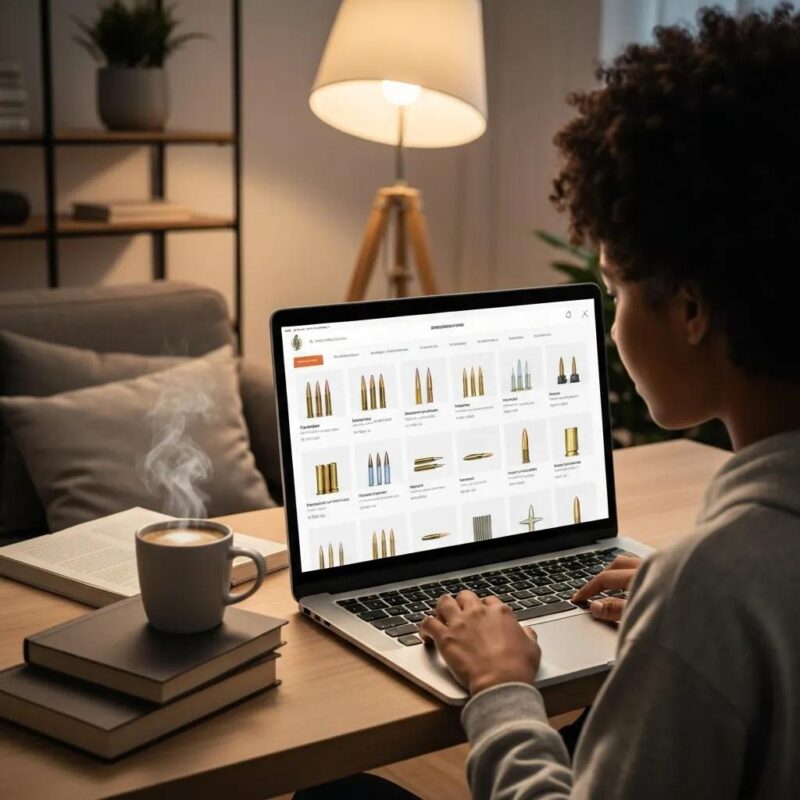
Buying from Last Shot combines broad inventory with clear pricing so you can compare per-round economics more easily. Based in Scottsdale, AZ, Last Shot offers pistol, rifle, shotgun, and rimfire ammo plus accessories — making it simpler to build bulk orders that lower unit cost. Online shopping also gives access to promos, financing on larger buys, and nationwide shipping that can be cost-effective on case quantities. For shoppers who want both local service and national inventory, Last Shot’s mix of online ordering and local presence delivers predictable fulfillment and competitive total cost.
How Can You Maximize Savings When Buying Ammunition?
Maximizing savings is a mix of quantity math, timing, and active deal-finding. Bulk buys usually lower unit cost, but consider storage, shelf-life, and whether you’ll actually use the rounds before buying large quantities. Watch seasonal sales, clearance events, and set up deal alerts for short-term discounts. Financing can help spread the cost of a big buy, but always compare financing fees to the immediate savings. Below we explain why bulk often wins, show sample savings, and outline how to set up alerts and evaluate financing sensibly.
Why Is Buying Bulk Ammo the Cheapest Way to Purchase Ammunition?
Buying in bulk reduces per-round cost by spreading fixed manufacturing, packaging, and shipping expenses over more rounds. The break-even point depends on how often you shoot and your storage options; many shooters save most by buying by the case when the per-round price drops meaningfully versus smaller boxes. Proper storage and rotation matter — rarely-used calibers may not justify bulk buys because shelf-life and changing needs cut value. The table below outlines common saving methods and their general impact on cost to help decide when bulk makes sense.
This table highlights common saving methods and their general impact on cost from practical purchasing behaviors.
| Purchase Approach | Savings Method | General Impact on Cost |
|---|---|---|
| Buy by the case | Lower unit costs from larger packaging | Significant per-round reduction |
| Subscribe/alerts | Early access to flash sales and restocks | Potential for notable discounts |
| Financing deals | Spread cost to afford larger bulk buys | Requires careful comparison of interest vs. discount |
Generally, bulk purchases combined with alert-driven timing deliver the biggest per-round reductions when storage and usage line up.
How to Use Seasonal Sales, Deal Alerts, and Financing Options to Save More?
Use multiple alert channels, track predictable sale windows, and weigh financing costs against the immediate discount to find the best net outcome. Typical sale times include holidays and end-of-season clearances; signing up for retailer newsletters and price trackers helps you spot short-lived bargains. When considering financing, compare the APR or fees to the per-round savings from buying now — only use financing when the effective cost of borrowing is less than the opportunity cost of waiting. Last Shot runs promotions, bulk deals, and financing options that can be useful for buyers who prefer one trusted source for inventory and payment flexibility.
Practical steps to operationalize savings:
- Subscribe to retailer newsletters and price alerts for your primary calibers.
- Monitor known sale windows and set calendar reminders for typical discount seasons.
- Compare financing APR or fees to projected per-round savings before committing.
Those steps help you lock in deals while avoiding interest costs that wipe out short-term discounts.
What Are the Pricing Differences Among Popular Ammunition Types Sold by Last Shot?
Ammo types carry different cost drivers, so match price per round to intended use. Pistol ammo like 9mm generally offers the best bulk economy due to high production volumes. Rifle calibers such as 5.56/.223 usually cost more per round because of larger components and brass. Shotgun shells vary widely by payload and shell length, and rimfire (.22 LR) is typically the cheapest per round but depends on manufacturing yields and packaging. Brand, bullet type (FMJ vs hollow point), and grain weight also affect price. The table below summarizes typical cost dynamics to help balance performance and value.
This table provides at-a-glance typical cost dynamics and use cases for common ammo categories; values are illustrative to show relative differences.
| Ammo Type | Relative Cost (per round) | Best Use Case |
|---|---|---|
| 9mm (pistol) | Generally economical | Range practice and concealed carry training |
| 5.56/.223 (rifle) | Moderate to higher cost | Tactical training and varmint hunting |
| Shotgun shells | Varies widely by type | Sporting clays, defense, and hunting |
| .22 LR (rimfire) | Typically very low cost | Plinking, small-game, and high-volume practice |
Match the ammo to the job: pay up for performance where it matters, and opt for economy where it doesn’t.
Where to Find the Best Prices on 9mm, .223/5.56, Shotgun Shells, and Rimfire Ammo?
Compare per-round math across package sizes, watch seller reputation for reliable stock, and target case quantities when you’ve confirmed demand and storage. For 9mm, case deals and recurring sales usually yield the lowest unit prices; for 5.56, weigh brand and reliability against cost. Match shotgun shell type to your intended use to avoid paying a premium for the wrong load. Rimfire is often cheapest in bulk, but check lot consistency for reliability in semi-autos and rimfire-specific guns.
Quick tactics to locate best prices:
- Prioritize case quantities for commonly used calibers to minimize per-round cost.
- Cross-check seller inventory dates and reviews to avoid out-of-stock or misrepresented listings.
- Use alerts for restocks of high-demand calibers to capture low-price windows quickly.
How Do Quality and Brand Impact Ammunition Prices at Last Shot?
Brand and build quality drive price premiums because reputable makers invest in testing, tighter tolerances, and quality control that justify higher per-round costs for defensive or precision use. Performance rounds like premium hollow points or match-grade rifle loads cost more because of stricter specs and higher-grade components; budget FMJ practice rounds are engineered for volume and cost-efficiency. Simple rules of thumb: use premium rounds for self-defense and critical hunting; choose economy options for high-volume range practice. Last Shot carries options across pistol, rifle, shotgun, and rimfire categories so you can pick the right balance of price and performance for each mission.
Ultimately, evaluating ammo is about matching caliber, load, and brand consistency to your needs so every purchase delivers value and reliability.